Educational content only. Not medical, psychological, or health services. Seattle, United States.

The Science Behind Evening Habits

Evidence-informed principles that shape effective wind-down practices.

Circadian Rhythm & Body Clock

Your body follows a roughly 24-hour cycle—your circadian rhythm—that influences sleep, temperature, and alertness. In the evening, your circadian system naturally prepares for sleep through hormonal shifts.

Why it matters: Evening routines that align with this rhythm (dimming light, cooling environment, calming activity) work with your biology rather than against it. Consistency strengthens this alignment.

This is informational. If you suspect a circadian disorder, consult a healthcare provider.

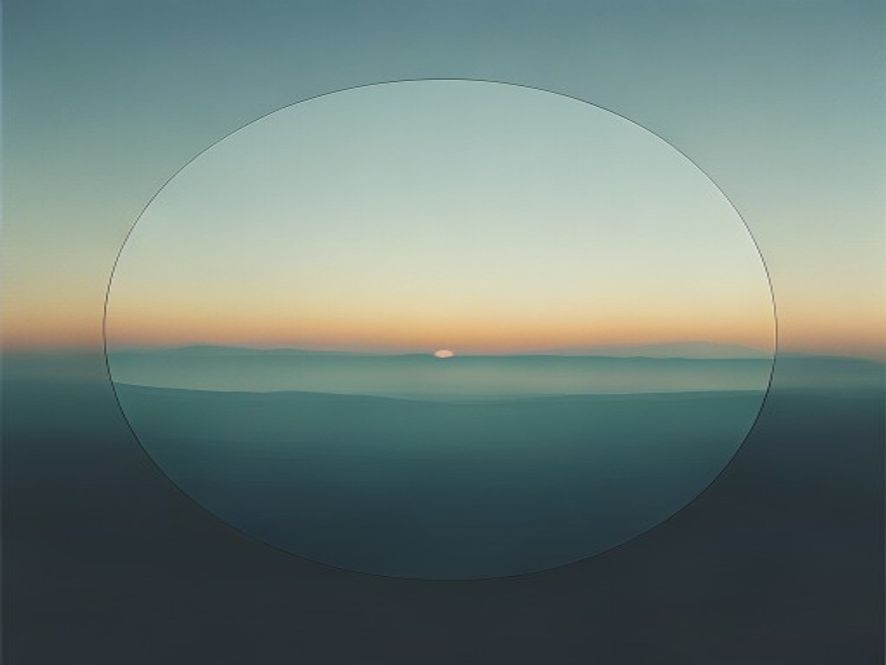
Soft visualization of circadian rhythm cycle throughout day

Key Elements of Evidence-Informed Evening Practice

1. Light Exposure

What happens: Blue light (screens, bright lamps) suppresses melatonin, a hormone that signals sleep time. Dimming light increases melatonin production.

Practice: Reduce bright light 1–2 hours before bed. Use amber/warm light in your evening space.

2. Temperature Shift

What happens: Core body temperature naturally drops in the evening. A cool sleep environment (60–67°F) supports this process.

Practice: Gradually cool your evening space. A warm bath/shower creates an initial warmth that triggers subsequent cooling—which signals sleep onset.

3. Parasympathetic Activation

What happens: Your nervous system has two modes—sympathetic (alert, active) and parasympathetic (rest, digest). Evening should shift toward parasympathetic.

Practice: Slow breathing, gentle movement, and calm environments activate the parasympathetic response. Techniques like 4-7-8 breathing directly engage this system.

4. Cognitive Transition

What happens: Your mind needs time to shift from work/alert mode to rest. Abrupt transitions cause racing thoughts and difficulty sleeping.

Practice: Use transition rituals (journaling, planning tomorrow, changing clothes) to signal to your mind that the work day is complete.

Breathing & Nervous System

How controlled breathing shifts your physiology toward rest.

The Vagus Nerve

Your vagus nerve connects your brain to your heart, lungs, and digestive system. Slow, extended exhales directly activate the parasympathetic nervous system through this nerve. This is why breathing practices work—they're using your body's direct pathway to calm.

Why Extended Exhales Matter

A long exhale (longer than inhale) creates a physiological shift. Your heart rate naturally slows during exhales. Techniques like 4-7-8 breathing (inhale 4, hold 7, exhale 8) amplify this effect through the extended exhale.

Consistency & Adaptation

Your nervous system learns through repetition. Practicing breathing techniques regularly trains your body to respond more quickly to the practice. This is why nightly breathing routines become increasingly effective.

Habit Formation & Evening Routines

Why some evening routines stick and others don't.

1

Cue & Context

Your brain links behaviors to environmental cues. An evening routine tied to a specific location (sitting by the window, in bed) and time (8 PM) becomes automatic faster than a routine without clear context.

2

Reward & Reinforcement

The routine itself should feel rewarding—the calm, the satisfaction of completion, or the comfort of the practice. Without positive association, habits don't persist.

3

Minimum Viable Routine

A simple, short routine you actually do beats a complex routine you abandon. Starting with 10–15 minutes and expanding builds habit strength more reliably.

4

Consistency Over Intensity

Doing your routine every evening for 15 minutes is more effective than occasionally doing 90-minute sessions. Your body learns through repetition.

Individual Variation

Why the same routine doesn't work for everyone.

People differ in chronotype (whether you're naturally more alert in morning or evening), sleep needs, stress sensitivity, and sensory preferences. What works for one person may not work for another. This is why personalization matters—and why one-size-fits-all advice often fails.

Our approach recognizes these differences through lifestyle type assessment. Your routine should fit your rhythm, not the other way around.

If you have persistent sleep issues, consult a sleep medicine specialist or healthcare provider.